
Step 1: Choose the right time for planting
It is essential to find the right time to plant snowdrops. Optimal for planting are the months of late summer and early autumn, i.e. August and September. When you order from Swiss-Drops, you will receive your bulbs at the optimal time so that they can be planted in the garden immediately after you open the package. If they cannot be planted immediately, they can be stored in dry soil for 1-2 weeks in a dark, dry place without being damaged. In DIY stores and garden centres it is unfortunately often the case that snowdrops are still sold in October and November. By then, most of the bulbs are so dried out that they are no longer viable. Unlike other bulbous plants, snowdrops are not very resistant to drying out because their protective outer skin is thinner than that of daffodils, tulips and the like.
Step 2: Choose the right location
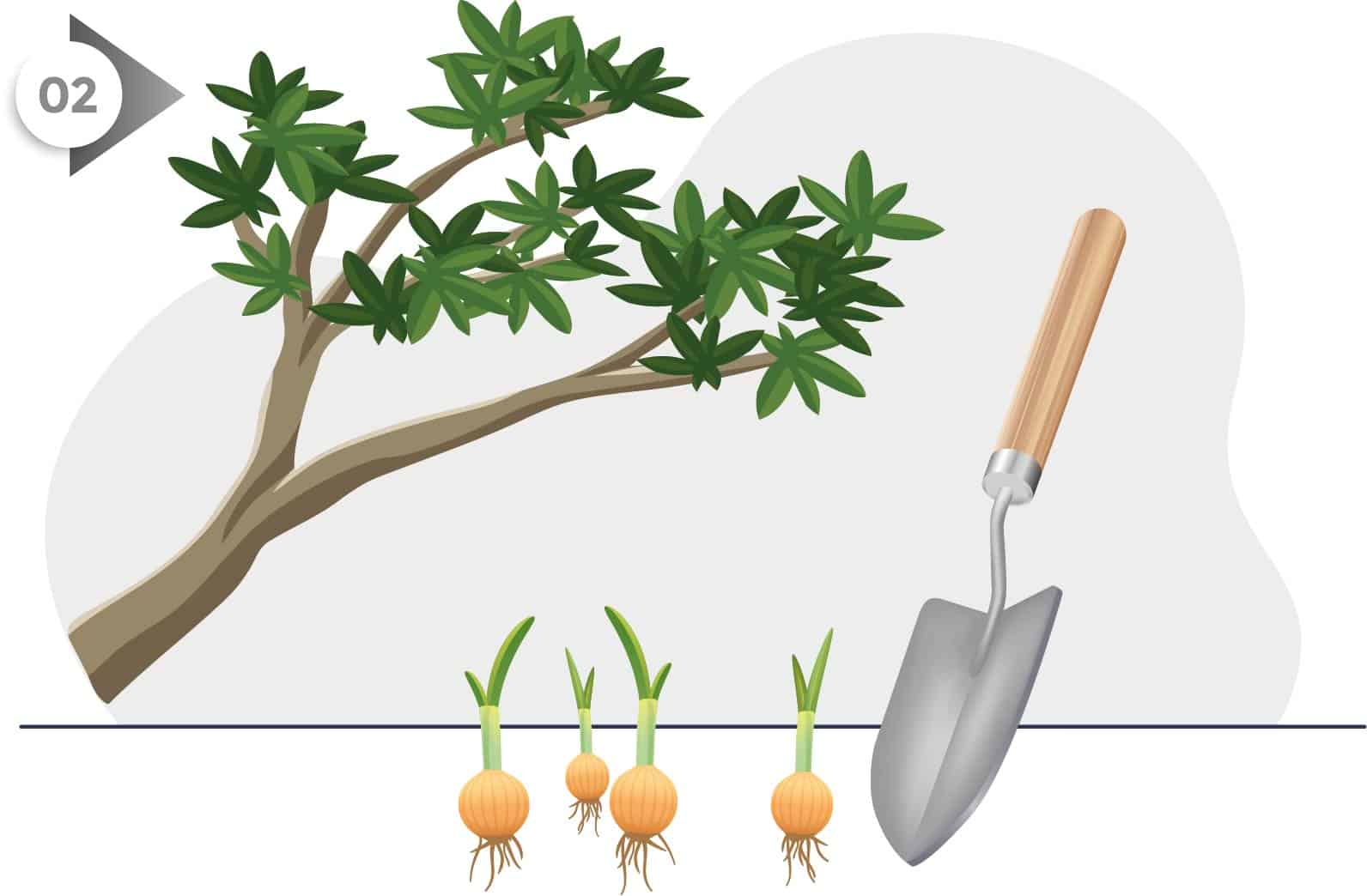
Snowdrops prefer a location in close proximity to deciduous trees and shrubs. These allow plenty of light to reach the ground in spring, which the snowdrops need to thrive. During the hot summer months, the soil under the canopy protects the soil from excessive heat and drying out. In addition, the shrubs regulate the moisture in the ground. Snowdrops prefer to stand a little drier in summer, because otherwise the dormant bulbs can become infected with harmful fungi. Shallow-rooted woody plants should be avoided. Species such as hazel or lime are preferable because their foliage decays quickly.
A location in the lawn is only suitable if the first cut is made in mid-May at the earliest. Living foliage must not be cut back under any circumstances because this damages the vitality of the plant!
To create perfect conditions, the soil can be improved by incorporating perlite, for example. The soil should be airy and permeable to prevent waterlogging. Galanthus nivalis is rather undemanding in this respect, but varieties and species from warmer regions suffer if the summer location is too wet.
Step 3: Planters only as a temporary solution
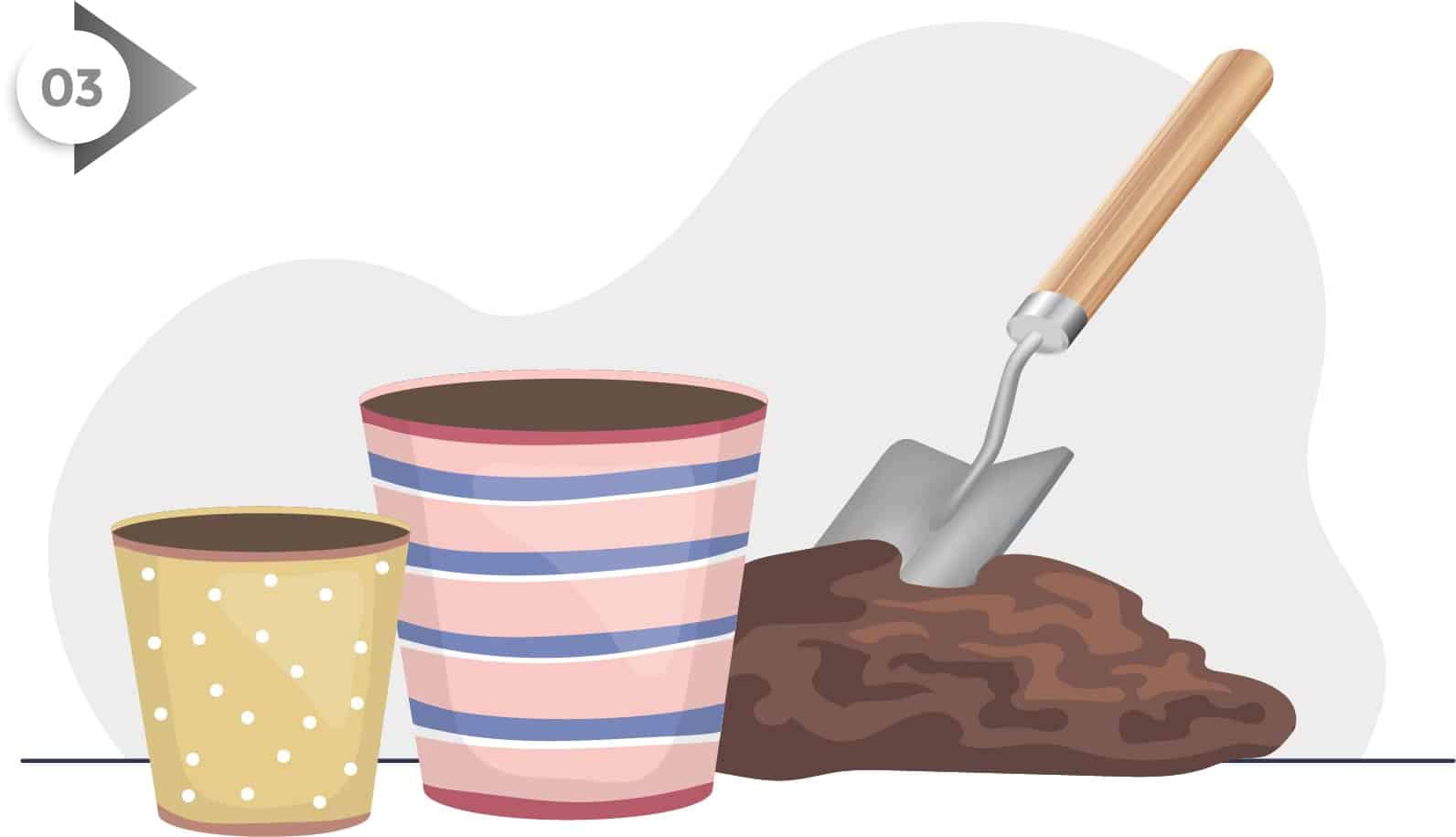
The best place to plant snowdrops is in the garden, not in a pot. Period. There are basically two reasons for this:
1. The soil temperature in containers varies greatly. Once the substrate is frozen through, the bulbs will inevitably die. The same applies if it is too hot;
2. There are strong fluctuations in soil moisture in the pot. This means that the snowdrops cannot develop optimally. Once the roots have been damaged, they will not recover and will stop growing completely.
If you only want to keep your snowdrops temporarily in pots and containers, for example to display them at the entrance to your house, there is nothing to prevent you from doing so. Once they have finished flowering, however, they should be placed in the garden immediately. Special varieties should be allowed to grow undisturbed.
The same applies to raised beds and larger containers. These locations are definitely not the first choice for snowdrops.
Step 4: Choose the right planting depth
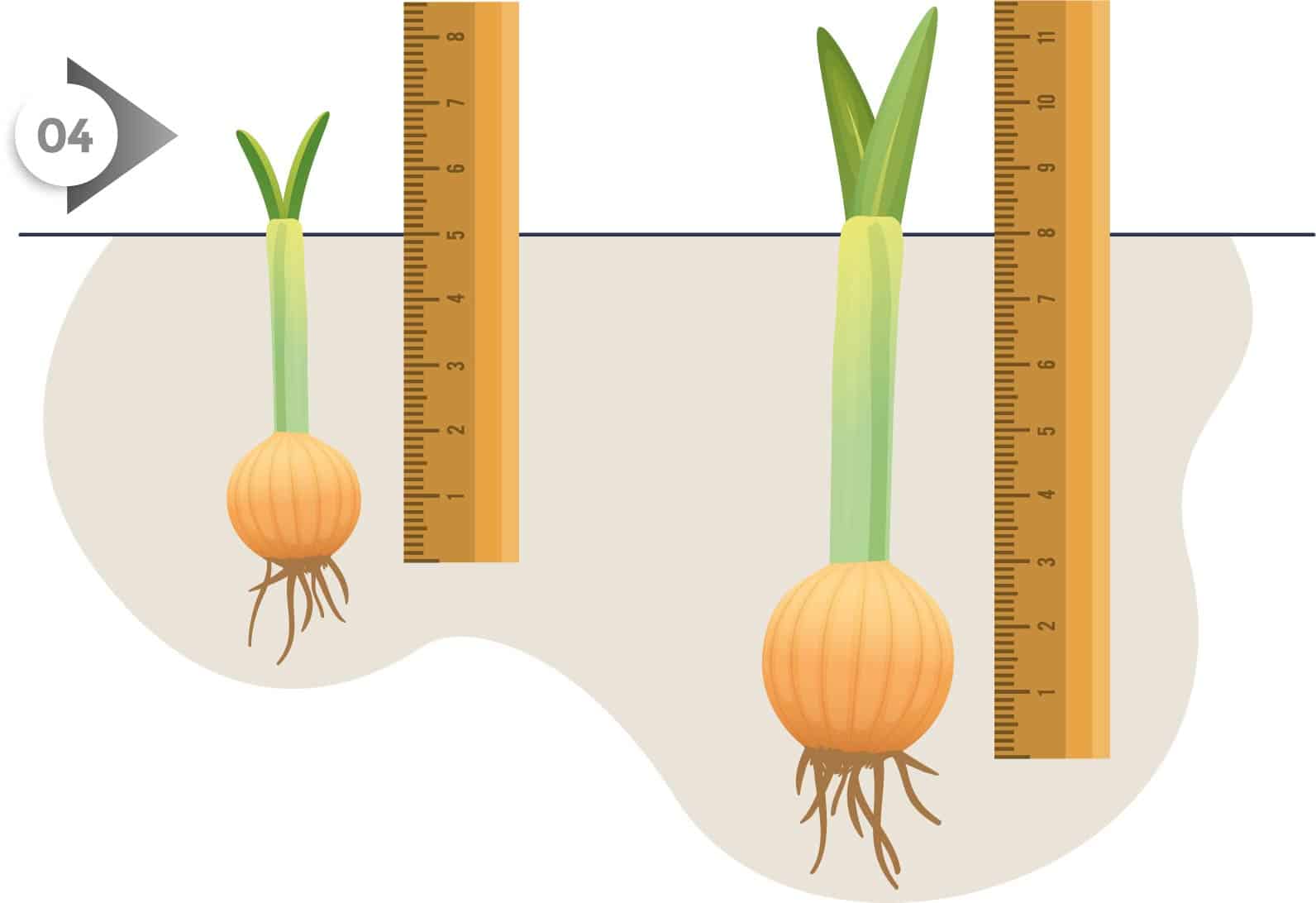
A simple rule of thumb is used to determine the correct planting depth: The planting depth is twice to three times the bulb diameter. This corresponds to 5 to 8cm, depending on the species and variety. Galanthus nivalis, for example, has quite small bulbs, while Galanthus elwesii should be planted deeper. For best results, the bulb should be planted upright. In other words: basal plate downwards, shoot upwards.
Step 5: Choose the right planting distance
The correct planting distance basically depends on the snowdrop species. Tall-growing specimens such as Galanthus elwesii, Galanthus plicatus and hybrids with these parents like to stand a little further apart. Smaller species such as Galanthus nivalis or Galanthus gracilis can be planted a little closer together.
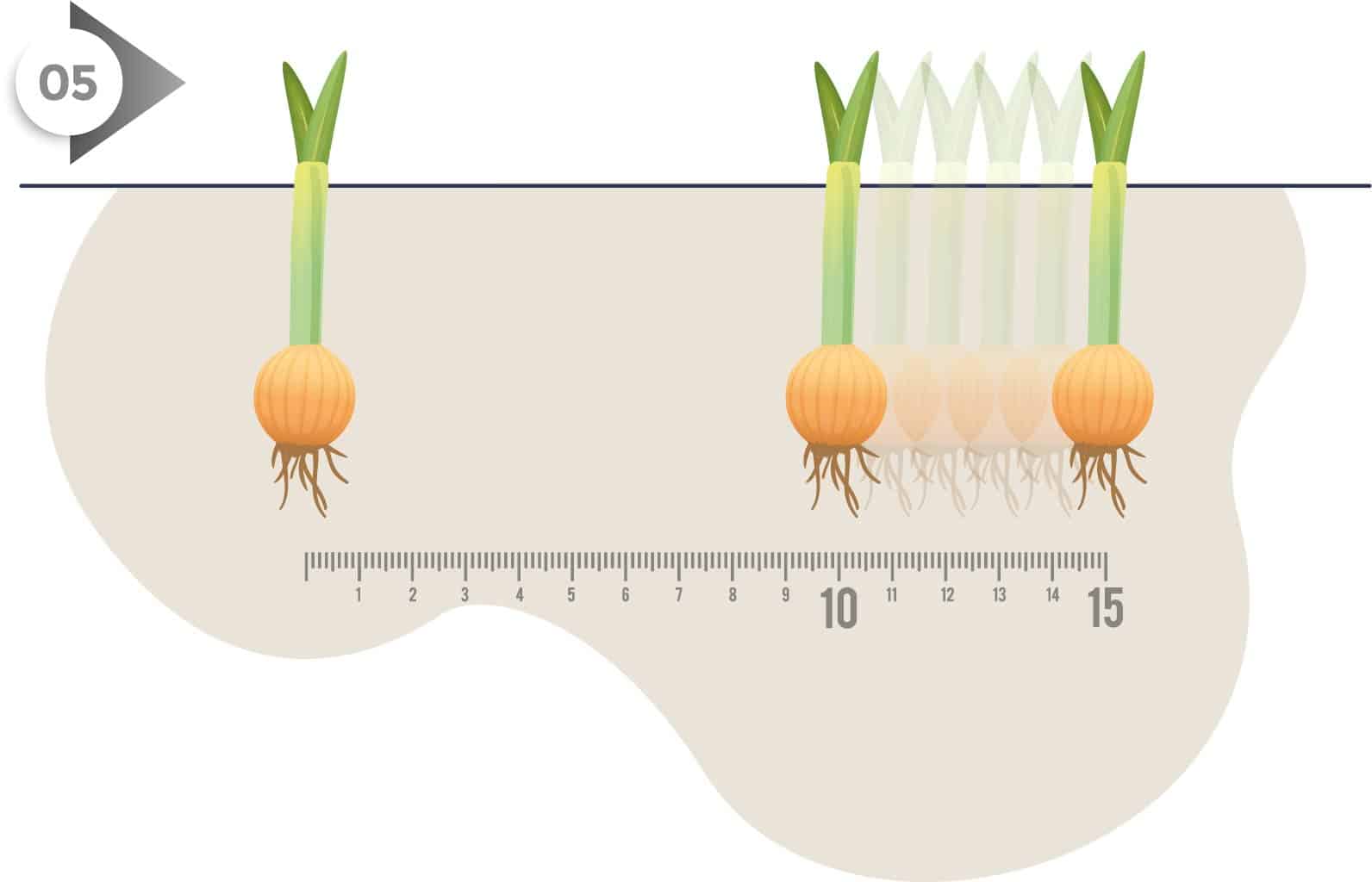
Planting distances between 10 and 15cm are suitable. It looks particularly attractive when groups of 10 to 50 specimens are planted together, leaving some space in between.
Rare and special varieties are usually purchased as individual bulbs. They should have enough space to develop optimally. To avoid confusion, they should be planted at a greater distance from other varieties, especially if they look similar.
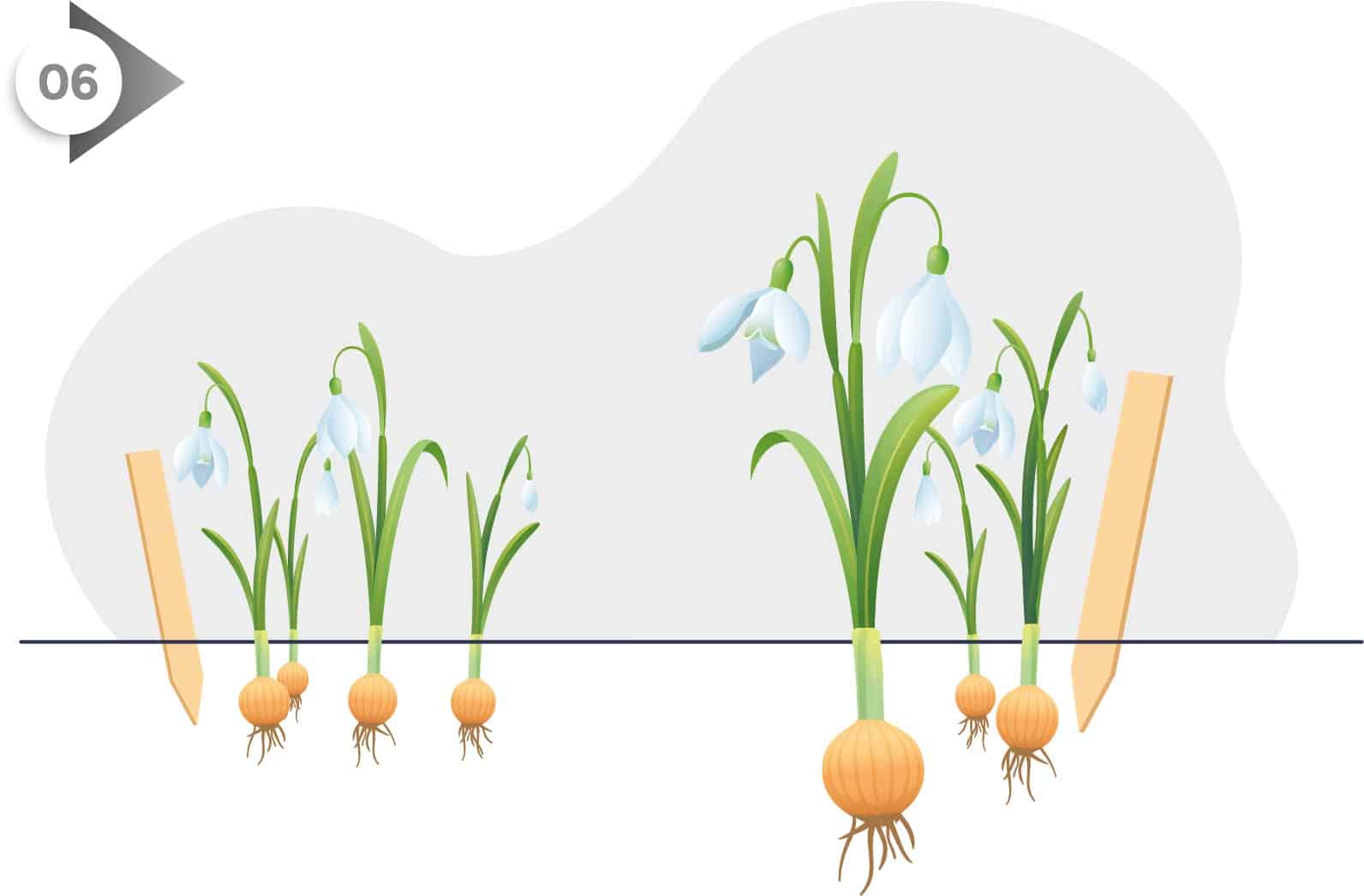
Step 6: Plant special varieties in groups and label them
The hobby of collecting snowdrops can quickly become an addiction. Because there are now an unmanageable number of attractive varieties, the price is often the only limiting factor. And sometimes not even the price tag keeps the galanthophile from getting a botanical treasure.
In order to find the precious acquisition among all the perennials in the garden, it has proved useful to label them accordingly. Collectors of snowdrops often use pond pots to separate the individual varieties from each other and to be able to recognise where which variety is located in summer. They also make repotting much easier. It is important that they are as permeable as possible so that no water can remain at the bottom of the pot. This would be fatal, because waterlogging in summer inevitably leads to rot. To prevent this from happening, choose a permeable soil mixture with about 30% perlite and prepare the planting bed accordingly.